

Prove it Client loginBook a call
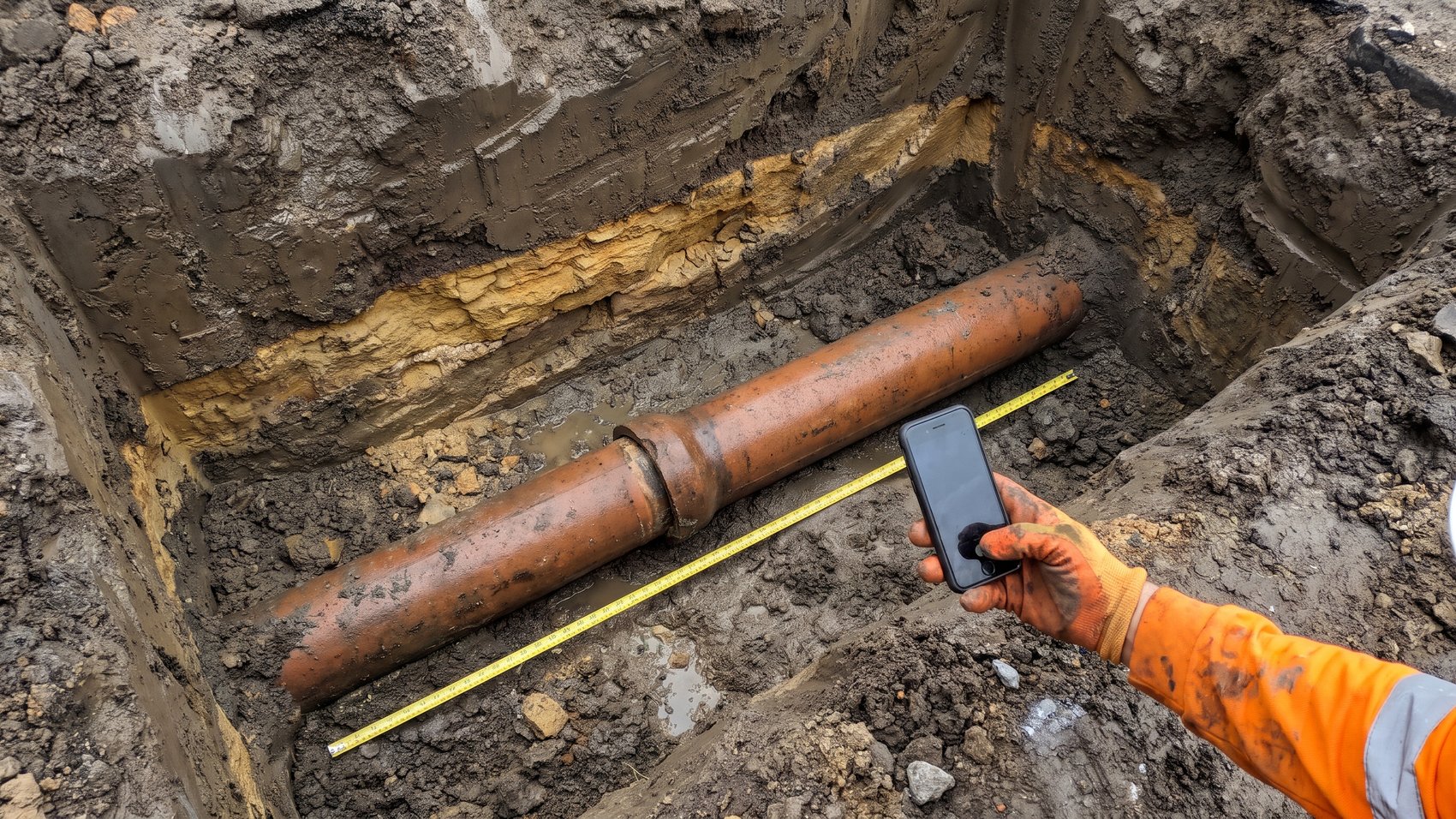
A trench on a building site exposing an old clay pipe and a band of sandstone, with a tape measure across the pipe and a gloved hand photographing it.

They refused your EOT.What does the record actually show?

We read the contract, the programme and the project record, and give you an independent view of what the evidence supports. If the position is weak, we say so before you spend more on it.

Free. About a minute. No call required. Then you see which job, if any, fits.

$1,500EOT review3business days8kinds of delay, worked through below

One EOT, notice to submission.Watch it before you read on.

The delay, the deadline, the evidence, the facts and options, and the person who decides. About five minutes.

FilmF03 Prove it
JobJob 42, made up
SheetPI-01

Three dates first.Before anything else.

Three dates show whether a time bar may be in play. What follows from that depends on your contract.

Read fromYour contract
You decideWhat goes out
Three dates on a dimension line: when the delay started, when you knew about it, and when the notice went in. The gap between the last two is marked as the question to check. Delay startsYou knewNotice went in What the site diary showsThe email, the call, the walk-roundThe date it was served What does your clause say about this gap?
  1. The date the delay started.
  2. The date you knew about it.
  3. The date the notice went in.

Miss the notice, and the days can be lost.

If the extra time is lost, liquidated damages can run against you for those days. That is why the dates come before the argument. Tight notice windows and time bars are usually written in the builder's favour. We show you what yours says, and your options.

Step 1 is free. Put in the three dates and your clause's notice period. The check works out the last day for notice on the spot, and whether your notice went in before it.

Check my EOT notice dates, free

Independent meanswe tell you if it's weak.

It does not promise an outcome the record cannot support. Sometimes the right answer is that the evidence isn't there yet. That's still useful.

A StrongIQ contract administrator reads your documents and writes your position.

A site inspector in hi-vis measuring a concrete column and checking the reading on a tablet.
Follows the record. Diary, programme, photos and letters, read in date order.

What a position looks like.One delay, on one timeline.

Press Play. The delay event, the notice window, each cause by date, the critical cause, the working days, and the claim your authorised person decides to send.

JobJob 42, made up
Steps7
SheetPI-04

Eight kinds of delay.Each ends in what you would send.

Pick the cause. See what we ask, where the evidence comes from, how the days are worked out, and the package that goes to your authorised person.

Plays the Inclement weather example
Causes8 worked examples
Ends inWhat you would send
SheetPI-05
The eight causesPress one
1
We askOnly what the records cannot answer
    2
    We gatherOnly the places this cause needs
    3
    We work outDays, critical path, overlap
    4
    What you would sendThe package, for your authorised person to read, sign and send

    Dates first.Then the job that fits.

    Put in three things. The check works out the last day for notice under your clause, and whether your notice went in before it. Then say where it is now, and you see the one job that fits: what you get and what it costs, before you pay.

    Fixed priceIncludes GST
    Who reads itA contract administrator

    What you pay for. Pay for a clear position. Not for a report that says what you hoped.

    Told in the first hour.
    Balance refunded.

    On the $1,500 EOT review. If the initial review shows the record doesn't support the proposed scope, we tell you in the first hour of work and refund the balance. This is in addition to any rights you have under the Australian Consumer Law.

    A neat stack of claim documents with coloured index tabs on a dark desk under a copper lamp, with a programme chart and a table sliding out from the stack.

    Follow one EOTall ten steps.

    See every step, from the delay event and notice clause to the claim your authorised person decides to send. The notice date is checked first. The record is gathered from your diary, programme, photos and letters. The draft comes back with its gaps listed. Your PM corrects it and signs off.

    See all ten steps on EOT end to end

    A worked example.Made-up job, read in order.

    A subcontractor's EOT is knocked back. Here's what we'd look at, in order.

    Sample. Made-up job
    The same made-up programme, with the original bars dashed and the delayed bars moved out, and numbered notes for the order we read it in.Set outFootingsStructureServicesWet areasFit-off1234
    1. The notice clauseWhat it asks for, and by when.
    2. Each cause and its dateListed one at a time, with the document behind it.
    3. The programme before and afterWhat actually moved, and what didn't.
    4. The days claimed against the programme daysWhether the two agree. Then you decide what to send.
    A rain gauge on a post at a flooded construction site, with a crane in the distance.

    Check the dates.Then decide.

    Three dates show whether a time bar may be in play. What follows from that depends on your contract.

    Check my EOT notice dates, free Book a 15-minute paperwork call Or call (02) 5563 6867
    Check my EOT notice dates, free