
Why StrongIQ Client loginBook a call
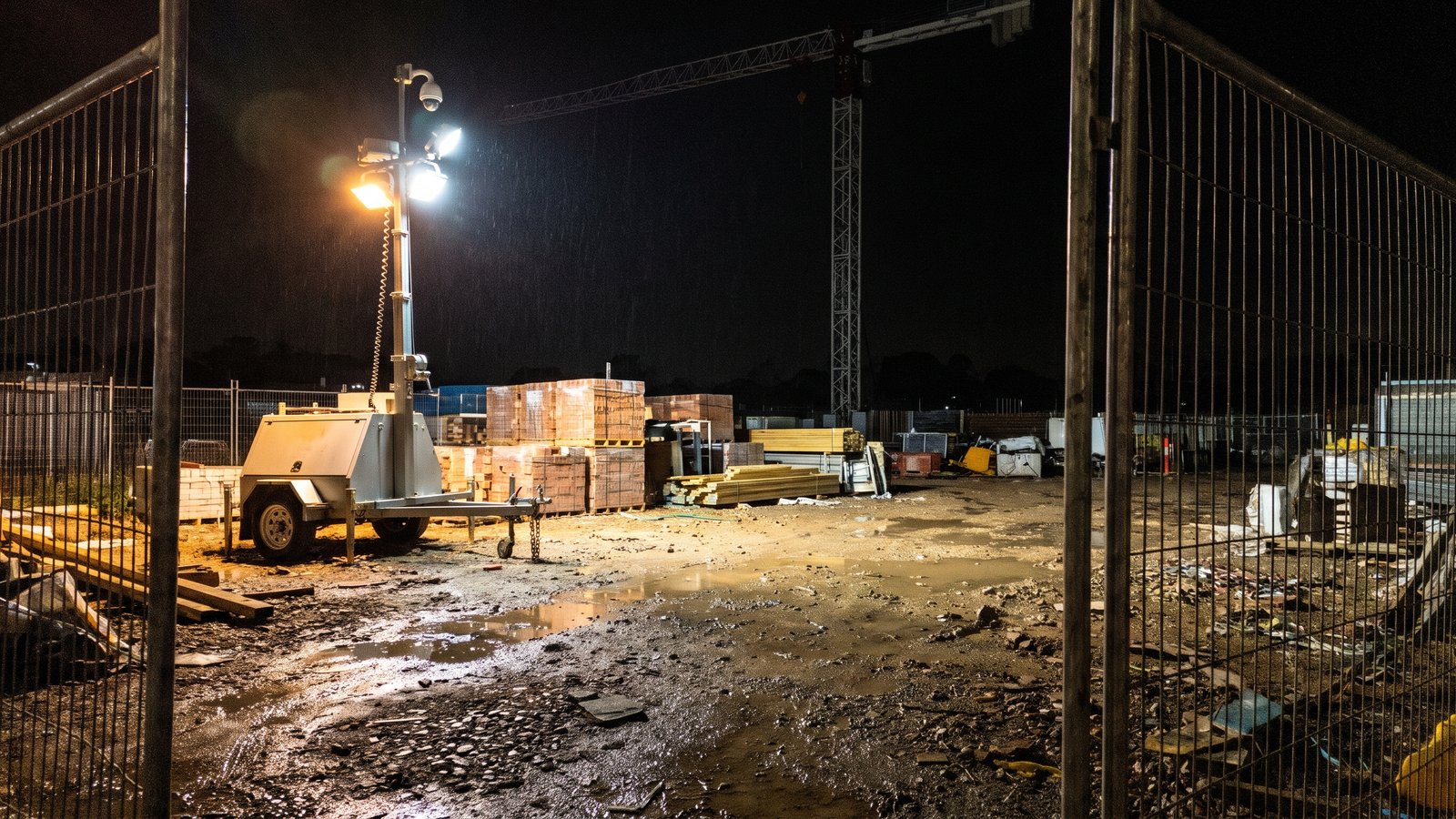
A building site at night behind a chain-link fence, a lit watchtower and a crane above it.

Back to The system

We didn't start with AI.We started with a business that went under.

StrongIQ starts with the lesson from a business that went under. People do the work and check it. Our system shows its source and tells you when the record has a gap.

3 to 1a wrong answer costs three times what a right one earns, when we test our own system
Halfof the test score lost for any answer it must never give
1person signs off before anything goes out
0outcomes promised

Why this isn'tanother AI company.

Who's responsible when it's wrong, how answers show their source, and who signs.

Built by someonewho lost one.

FounderTim Strong
Years4.5
Sheet no.W-01
$9M$300M
14to200people, about fourteen to nearly two hundred
$68Mcontract pulled
1company into administration

StrongIQ is what Tim didn't have: the business side of the work, built properly.

What that changes on your job.

  1. 1Checked first. On an EOT, we start with the job, the delay and the notice clause, and check the notice date before anything else. Then we gather the record.
  2. 2Before you decide. You get the facts, the options and what each one means. If the record has a gap, it is named, not guessed.
  3. 3Then a person. A person checks the work before it goes out. You make the commercial call.
Read Tim's story

Every answer shows its source.The source and the date sit beside the answer.

AnswerSample
SourceQuoted
Sheet no.W-02

Answer, worked out from the Act

Thu 5 Nov 2026

Payment schedule due on the claim served today, Thu 22 Oct.

“within 10 business days after the payment claim is served, whichever time expires earlier”NSW Security of Payment Act 1999, s 14(4)(b)(ii)

If the subcontract sets a shorter time, that one applies. Business days leave out weekends, public holidays and 27 to 31 December (s 4).

  • Source NSW Security of Payment Act 1999, s 14(4)(b)(ii). Version in force from 20 Aug 2024.
  • Source Business days, NSW 2026, s 4. Holidays retrieved 12 Sep 2026.
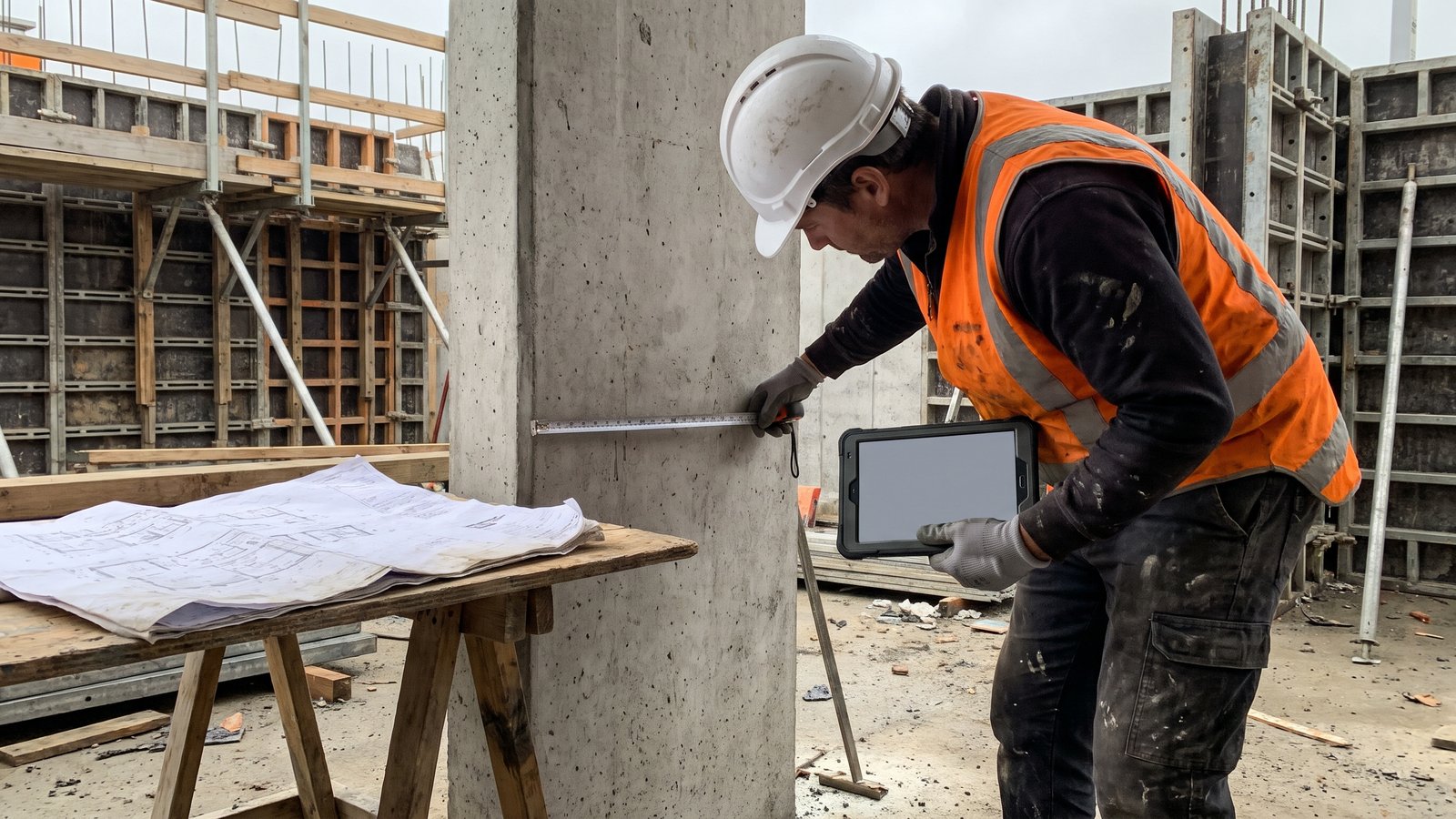
A person in hi-vis checking a concrete column on site with a tablet and a tape measure.
  • The source and date sit beside the answer.
  • If the record does not show it, the gap is clear.
  • A deadline is worked out from the contract and the relevant source, then checked.

Your records stay apart.Built so it can't cross.

What your people tell it stays with them. What is about your business stays with your business. Try the sorter: who should this correction stay with?

Places3
TravelsGeneral only
Sheet no.W-03

"Keep my emails to three lines"

"This builder always amends the notice clause"

"Check the notice window first"

Sample: made-up job
The personstays with themThe businessstays with your businessGeneralmay traveldetails strippedCheckedEveryoneno names
  1. 1The personA correction about a person stays with that person.
  2. 2The businessOne about your business stays with your business.
  3. 3GeneralIts details are stripped and it is checked. Only then may it reach everyone, with no names.

A client never reaches another business's records, because the system is built so it can't, not only told not to. How client records are kept apart, and what stays with you and what travels, is set out in the agreement you sign.

Correct it once.Checked before anyone else gets it.

Every change is tested against known answers, then read by someone other than whoever wrote it. Updates go out only once approved, and if one is wrong, we roll it back.

Trip6 stops
WrongPenalised
Sheet no.W-04
  1. 1The PM corrects the draft.
  2. 2The draft is fixed at once.
  3. 3The correction is saved as a lesson.

A correction is checked before it becomes a general lesson: it has to repeat across clients, or be proved against the Act or the standard. Your own rules win, for you only.

  1. 1CorrectedA PM corrects a draft. The change is made by a person, on the job.
  2. 2Used at onceOn that PM's own work.
  3. 3SortedStays with the person, stays with the business, or general.
  4. 4StrippedA general lesson travels without details.
  5. 5CheckedAgainst the Act, the standard or repeats across clients.
  6. 6Built back inFor everyone, only once it has passed.

What travels: In EOT work, check the notice window before starting the delay analysis.

We mark our own system with the IQ score: a wrong answer is penalised more heavily than a blank, and answering something it must never answer costs it far more. It has nothing to do with your business, which gets its own score, out of 100, from the Diagnostic. The aim is fewer corrections per job.

People sign off.It doesn't make the commercial call. You do.

SignsA person
DecidesYou
Sheet no.W-05
  • A StrongIQ contract administrator reads your documents and writes your position.
  • It can prepare a first draft. It doesn't make the commercial call. You do.
  • A person checks the work before it goes out.
  • On contract work you get the facts, the options and what each one means.
Your assistantPrepares a first draft.DraftedYour PMChecks it and corrects it.CheckedStrongIQChecks it and signs off.Signed offYouDecide, sign and send.Sent by youThe last word is yours.
  1. 1Your assistantPrepares a first draft.
  2. 2Your PMChecks it and corrects it.
  3. 3StrongIQChecks it and signs off.
  4. 4YouDecide, sign and send.

Work we've done.Real jobs, not samples.

Real jobs for real trade businesses. Names and sites are left out, because this is their business and not ours to share.

Jobs4, real
NamesLeft out
Sheet no.W-06
Six

A variation job: work well past the lump sum, no priced claim lodged

What happened. A specialist subcontractor had done work well past its lump sum. No priced variation claim had gone in, and the builder had asked for the detail behind it.

Why it mattered. The subcontract gave seven days to put the variations in. Until they were priced and backed, that work sat at nil on the builder's payment schedules.

The lesson. A builder certifies what it can check. A variation with no breakdown behind it is easy to leave at nil.

What we did. Inside the seven days, we built six variation submissions, each itemised with its breakdown, data sheets and drawing references, and a cover letter answering the builder's nine-point information request.

What came of it. These submissions were part of the One team job for the same business. Its result is shown on that card, once.

13 tabs

A claim or variation job: scheduled at nil

What happened. A trade subcontractor's progress claim, including a retention release, came back on the builder's payment schedule at nil.

Why it mattered. A nil schedule starts a short clock. In NSW there are 10 business days to apply for adjudication, and the figures have to stand up before anyone argues them.

The lesson. A schedule gets tested against the builder's own documents.

What we did. Within two days of the schedule, we reconciled every figure in the paperwork to the builder's own documents in a 13-tab workbook. With it went a 38-page written position, draft letters and the security of payment steps with their dates, so the owner could weigh the options before the time ran out.

5 + 1

A delay and variation job: no notices on file

What happened. A subcontractor was claiming variations, but on every active job the folders for RFIs, notices, site instructions and key emails were empty.

Why it mattered. On its main job, the subcontract gave five days to notify a delay, or the right to claim it could be waived. With nothing on file, a good claim can be lost on time before anyone argues the money.

The lesson. Money gets claimed at the end of a job. Time gets protected on the day it happens.

What we did. We built five forms and one register: RFI, verbal instruction, notice of delay, EOT claim and notice of variation, and a register with the time-limit arithmetic built in, so each notice date is worked out the day the event happens.

One team

Work across a whole trade business

What happened. The owner of a specialist trade business was running everything himself, with no view of margin by job, no cash-flow forecast and cash tight.

Why it mattered. The books showed a profit but not which jobs made it, so a cash squeeze could arrive before anyone saw it coming.

The lesson. Control starts with seeing the numbers by job, before the month is out.

What we did. One team worked across the business: a scored diagnostic, a 12-month cash-flow forecast, a rebuilt chart of accounts, a contract review, variation claims, tender reviews, inspection plans and forms.

What came of it. On the variation claims, the builder's payment schedules showed nothing certified against variations on the first three claims, and more than $300,000 by the sixth. The rest of the work is still going.

What we won't claim.Only what we can evidence.

Promises0
EvidenceRequired
Sheet no.W-07
  • We won't promise an outcome.
  • We won't quote a time saving until it's been timed on real jobs.
  • We publish only outcomes we can evidence.

Ask the hard questions.Book a 20-minute business call.

Book a 20-minute business call
An empty office at night, a desk with a lit screen and a city skyline through the windows.
Book a business call